Have questions about your materials testing equipment? We have the answers to these questions and much more right here! Check back monthly for long-form blog posts, how-to guides, and more. We’ll address industry insights, the operation and maintenance of specific equipment, and our product line recommendations, all designed to better serve you.
<img loading="eager" style="display: block; margin-left: auto; margin-right: auto; width: 100%; max-width: 715px; height: 100%; max-height: 515px;" alt="Optimize Your Concrete Testing: How Representative Sampling and Efficient Workflow Yields Better Concrete " src="/Content/Images/uploaded/blog/2026/Apr/April_2026_Blog_hero.jpg" width="715" height="515" /> A key element of successful concrete testing is selecting the right representative sample. This blog post covers standard practices for concrete sampling and how to optimize your concrete testing process.
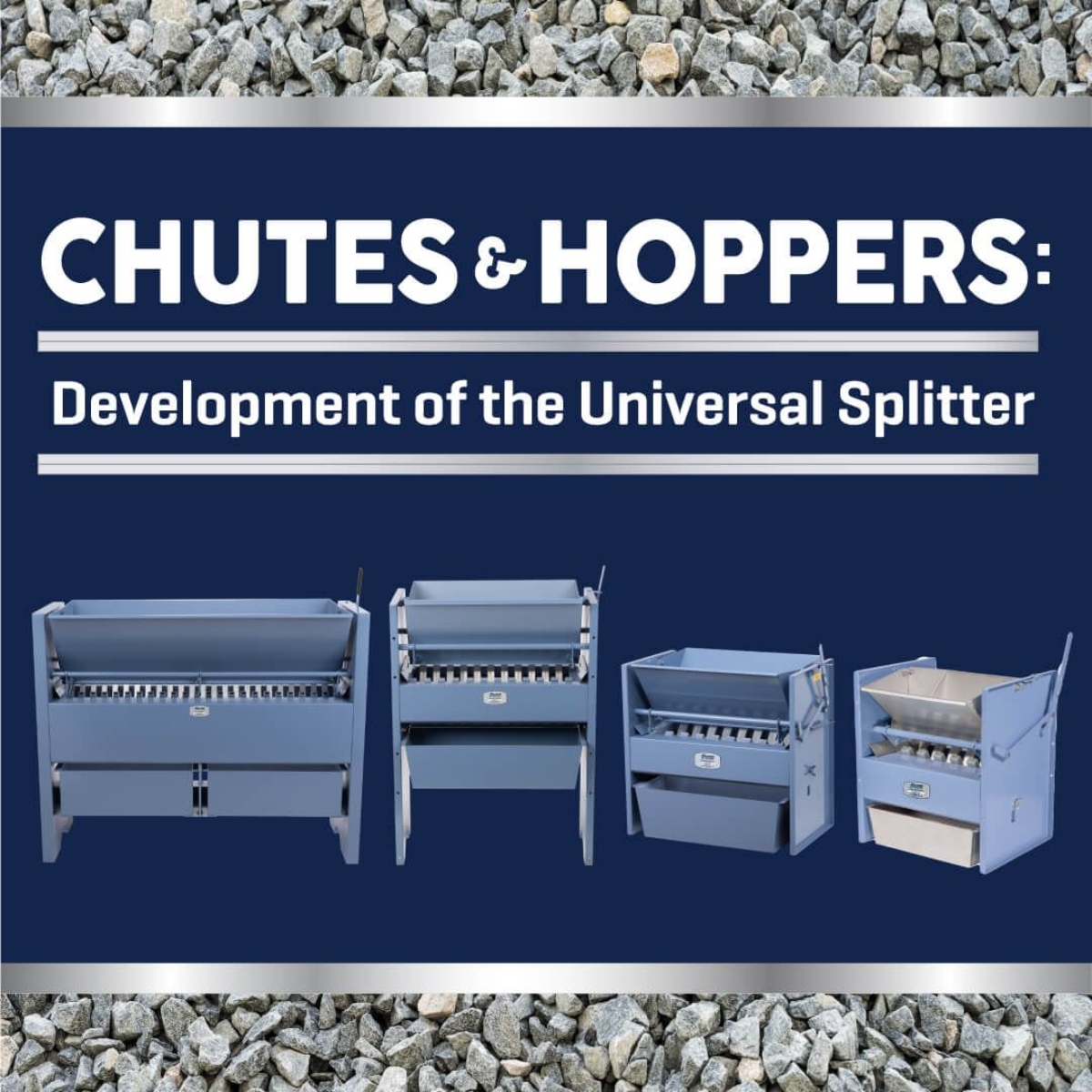
Continue Reading Optimize Your Concrete Testing: How Representative Sampling and Efficient Workflow Yields Better Concrete<div><a href="/blog/development-of-gilson-universal-splitters-article"><img loading="lazy" src="/Content/Images/uploaded/blog/2024/december/december-blog-hero.jpg" alt="History of the Universal Sample Splitter Article" style="display: block; margin-left: auto; margin-right: auto; width: 100%; max-width: 715px;" /> </a></div><p>Riffle splitters were a popular tool in sampling and dividing, but had limitations, such as a narrow particle size range, uneven particle distribution, and poorly divided samples. To solve these issues, Gilson designed the Universal Splitter models with adjustable chute widths, a closed hopper to evenly distribute samples, and other features to produce more accurate and efficient sampling and dividing results.</p>
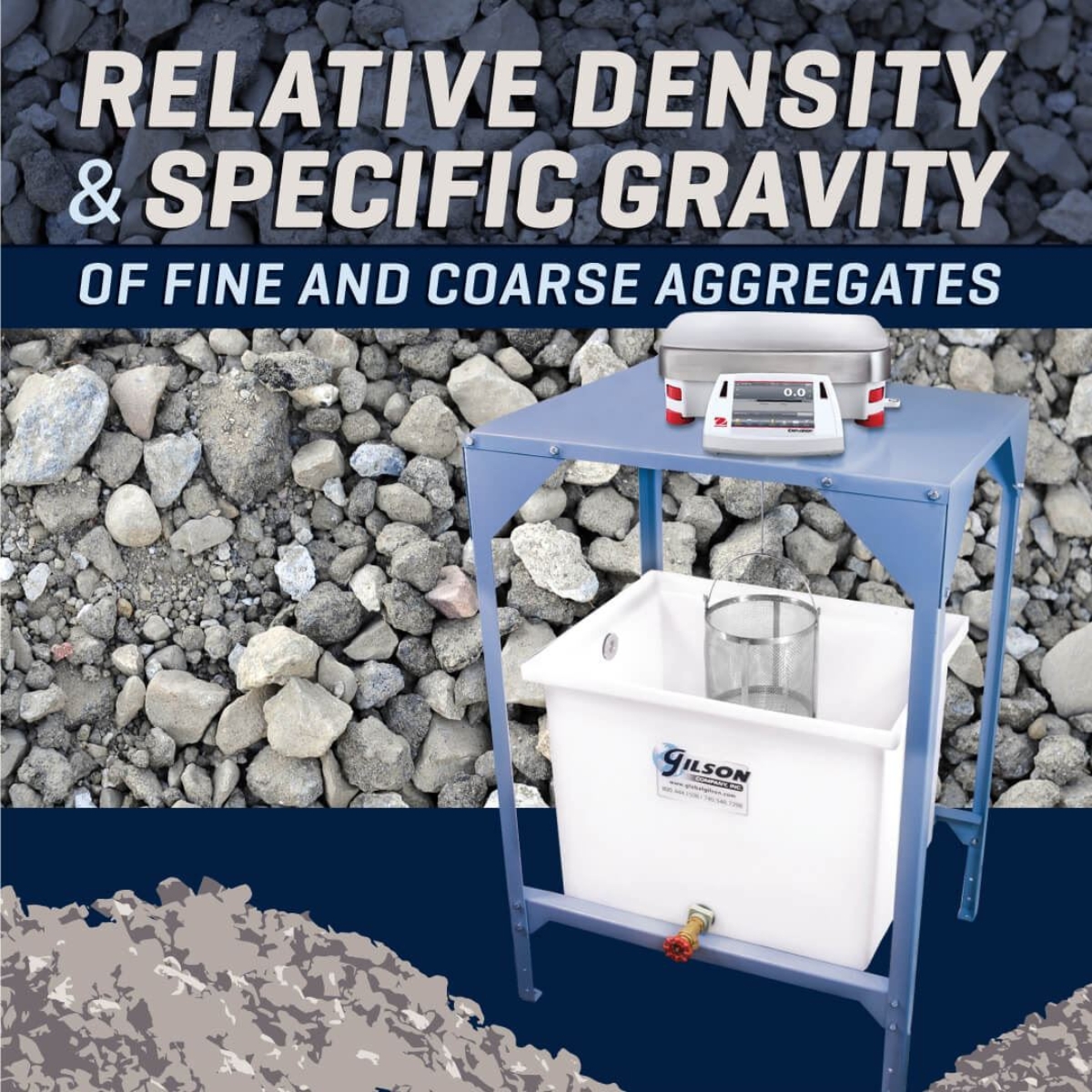
Continue Reading Chutes & Hoppers: Development of the Gilson Universal Splitter<div><a href="/fine-coarse-specific-gravity-of-aggregate"><img loading="lazy" src="/Content/Images/uploaded/blog/2024/september/specific-gravity-of-agg.jpg" alt="Specific Gravity of Aggregate" style="display: block; margin-left: auto; margin-right: auto; width: 100%; max-width: 715px;" /> </a></div><p>Determining relative density, or specific gravity, allows accurate conversion of volumes to gravimetric weights for proportioning materials. Learn more about relative density/specific gravity test methods and the equipment used to perform this laboratory test.</p>
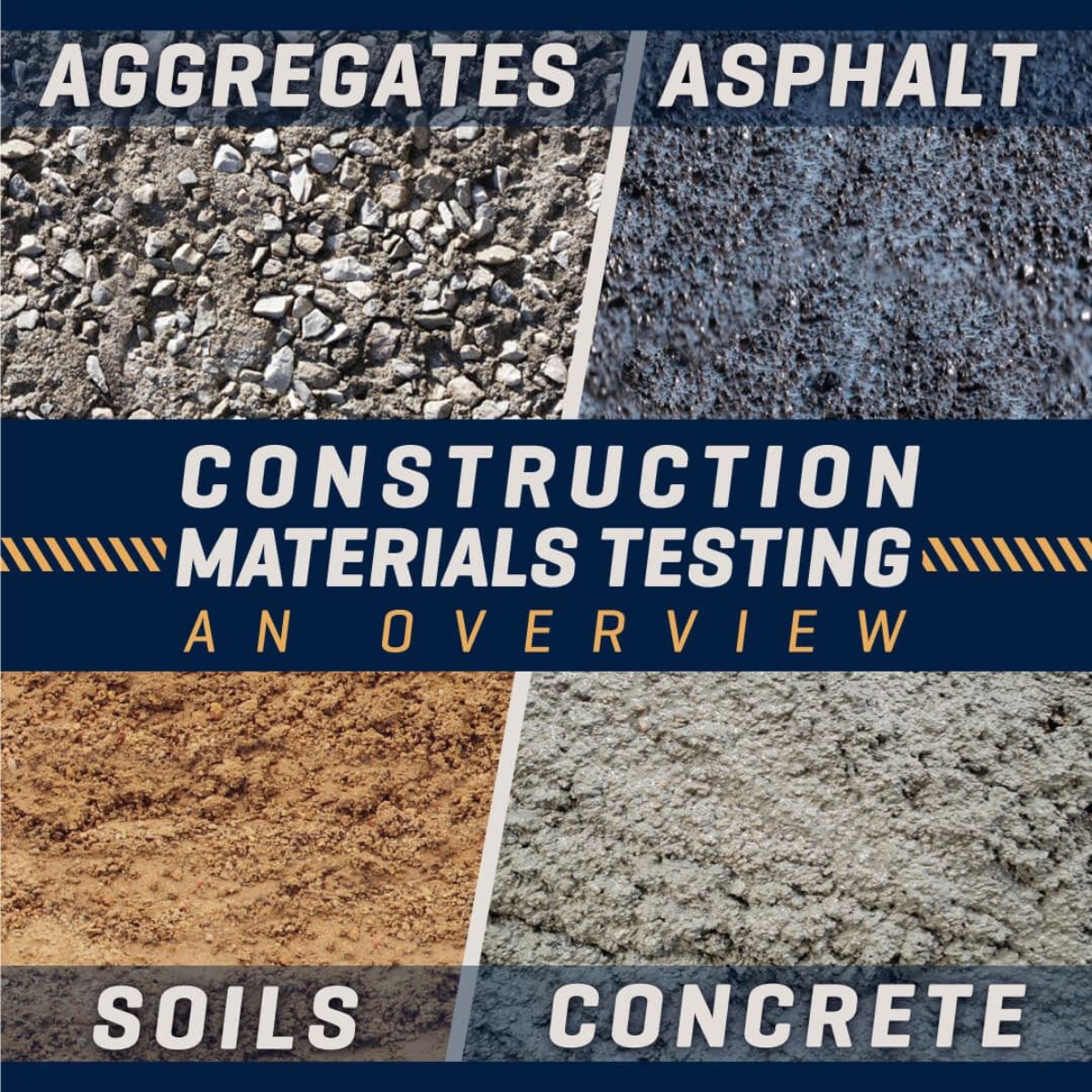
Continue Reading Relative Density/Specific Gravity of Fine and Coarse Aggregate<div><a href="/blog/overview-of-construction-materials-testing"><img src="/Content/Images/uploaded/blog/2024/july/construction-materials-testing-blog.jpg" alt="Construction Materials Testing Resource" width="100%" /></a></div><p>The term construction materials testing sounds like a catch-all term for analyzing everything from nails to doorknobs. However, for the civil engineering industry, it has come to mean the characterization of a handful of things by using specific test methods in a construction materials testing laboratory: concrete, aggregates, asphalt, and soils. This blog will take a high-altitude view of what construction materials are, the most important properties to test for, and the right equipment to get the job done.</p>
Continue Reading Construction Materials Testing: An Overview<div><a href="/blog/testing-with-the-asphalt-rice-shaker"><img loading="lazy" src="/Content/Images/uploaded/blog/2024/march/Blog-2024-March-Hero.jpg" alt="Asphalt Rice Shaker Article" style="display: block; margin-left: auto; margin-right: auto; width: 100%; max-width: 715px;" /> </a></div><p>If you regularly perform asphalt theoretical maximum specific gravity (Rice) tests, the Gilson Rice Shaker is a time-saving tool to have in your lab. Find out why this unit is the key to determining accurate specific gravity determinations for asphalt, aggregates, and soils.</p>
Continue Reading The Gilson Rice Shaker: A Versatile Tool for Specific Gravity Testing<div><a href="/factoring-flowability-sieving-sizing"><img loading="lazy" src="/Content/Images/uploaded/blog/2023/december/part2-flowability-of-granular-materials.jpg" alt="Factoring Flowability of Granular Materials: Sieving and Sizing" style="display: block; margin-left: auto; margin-right: auto; width: 100%; max-width: 715px;" /> </a></div><p>Test methods for dry granular materials must be built around the flowability of the material. No sampling, sizing, or handling method can be performed accurately or efficiently if it does not work in harmony with the material's flow properties.</p>
Continue Reading Factoring in Flowability of Granular Materials: Sieving and Sizing<div><a href="/blog/factoring-flowability"><img loading="lazy" src="/Content/Images/uploaded/blog/2023/september/factoring-floability.jpg" alt="Factoring Flowability of Granular Materials" style="display: block; margin-left: auto; margin-right: auto; width: 100%; max-width: 715px;" /> </a></div><p>Every stage of sampling, dividing, and testing granular material is affected by its flow properties. Understanding a particular material and the unique factors that impact its flowability increases the efficiency and accuracy of your laboratory testing and can even help control your budget. In this article, we discuss what equipment is best suited for your testing application.</p>
Continue Reading Factoring in Flowability of Granular Materials: Choosing the Best Lab Equipment<div><a href="/blog/aggregate-shape-and-texture-article"><img loading="lazy" src="/Content/Images/uploaded/blog/2023/july/aggregate-shape-texture-hero.jpg" alt="Aggregate Shape and Texture Blog Article" style="display: block; margin-left: auto; margin-right: auto; width: 100%; max-width: 715px;" /> </a></div><p>Construction aggregates are traditionally mined or extracted from natural sand and gravel deposits or geological rock formations, then further crushed and sorted into size fractions for blending. In this blog article, we discuss the tests and equipment to determine the characterization of aggregate shape properties for roads and structures.</p>
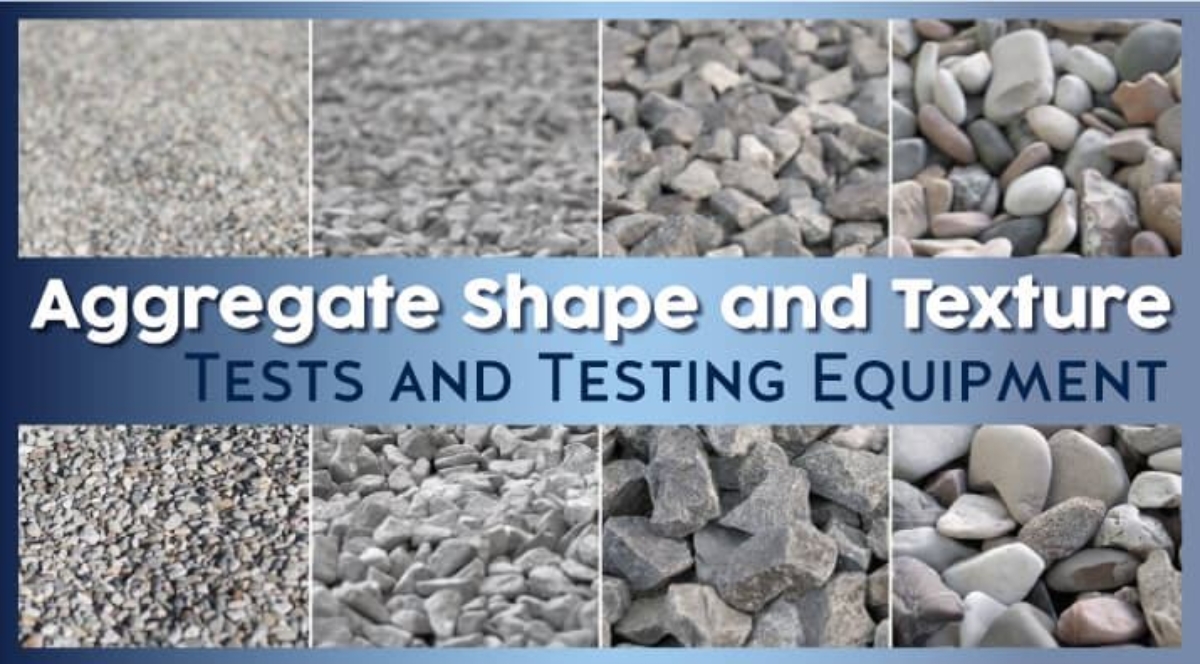
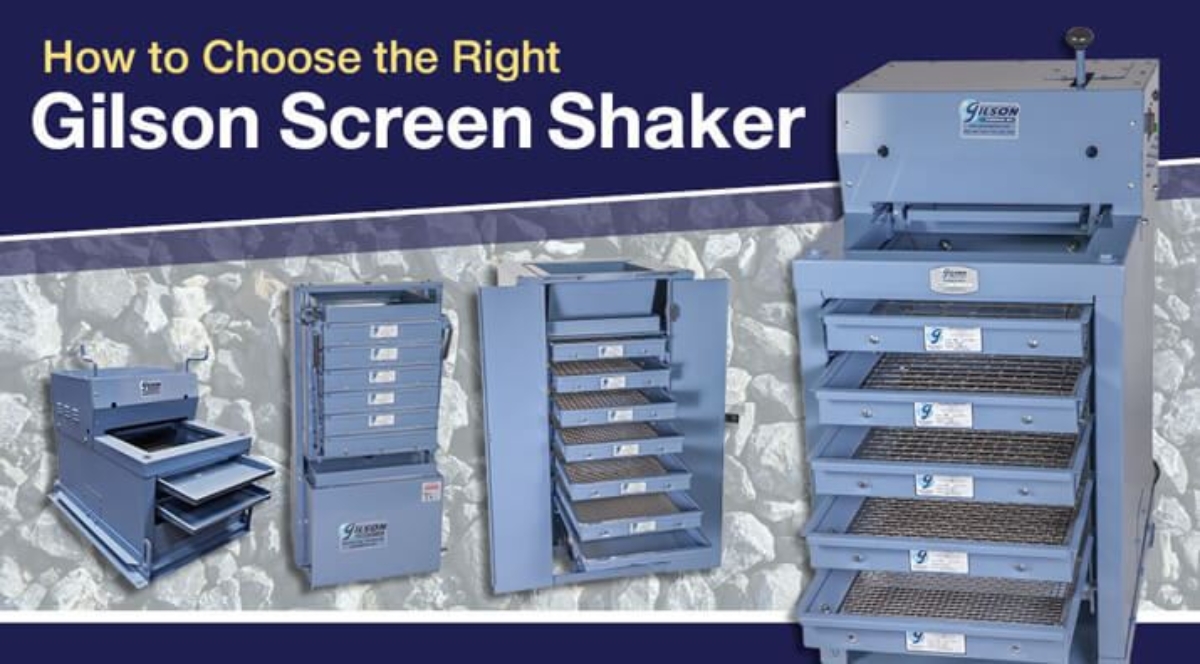
Continue Reading Aggregate Shape and Texture, Tests and Testing Equipment<div><a href="/blog/selecting-the-right-screen-shaker"><img loading="lazy" src="/Content/Images/uploaded/blog/2022/october/choosing-gilson-screen-shakers-hero.jpg" alt="Choosing the Right Screen Shaker" style="display: block; margin-left: auto; margin-right: auto; width: 100%; max-width: 715px;" /> </a></div><p>Particle size gradation is the most often-performed test on aggregates, and effective characterization can’t move forward without it. Testing screens offer an efficient and cost-effective method for accurate size determinations of coarse materials. This blog post will help you select the right Gilson Screen Shaker for your testing applications.</p>
Continue Reading Choosing the Right Gilson Screen Shaker