Have questions about your materials testing equipment? We have the answers to these questions and much more right here! Check back monthly for long-form blog posts, how-to guides, and more. We’ll address industry insights, the operation and maintenance of specific equipment, and our product line recommendations, all designed to better serve you.
<img loading="eager" style="display: block; margin-left: auto; margin-right: auto; width: 100%; max-width: 715px; height: 100%; max-height: 515px;" alt="The FHWA Mobile Concrete Technology Center: Putting Innovation into Practice" src="/Content/Images/uploaded/blog/2026/Jan/January-2026-Blog-hero.jpg" width="715" height="415" /> Through the Federal Highway Administration Mobile Concrete Technology Center, concrete testing, equipment, and educational opportunities are delivered nationwide. Learn more about this mobile concrete lab and its initiatives in our latest blog.
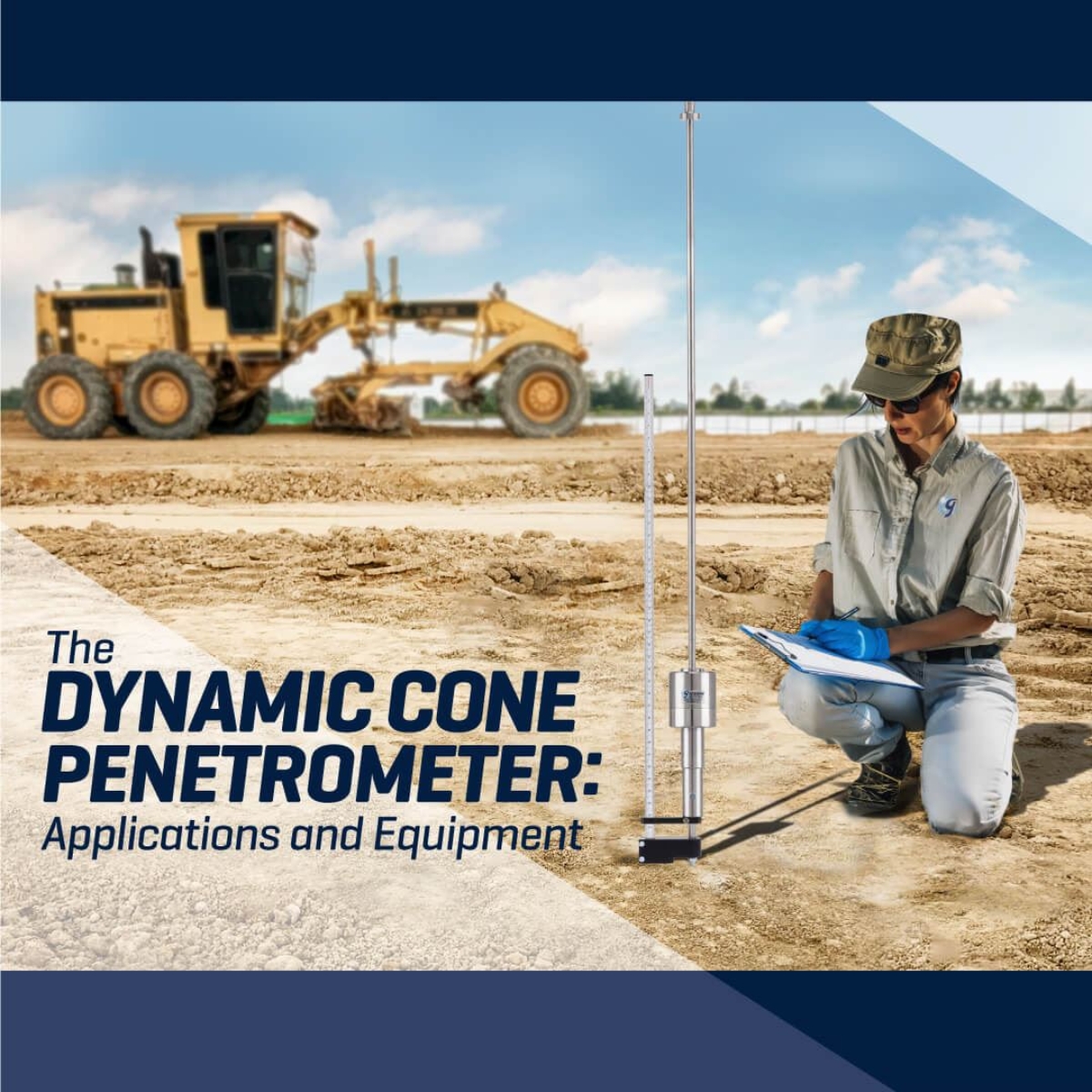
Continue Reading The FHWA Mobile Concrete Technology Center: Putting Innovation into Practice<div><a href="/blog/dcp-test"><img loading="lazy" src="/Content/Images/uploaded/blog/2024/may/dcp-testing.jpg" alt="DCP Testing Article" style="display: block; margin-left: auto; margin-right: auto; width: 100%; max-width: 715px;" /> </a></div><p>The dynamic cone penetrometer (DCP) is an efficient tool used to perform soil strength assessments of fine-grained soils, pavement base courses, and more. Learn about the advantages of this tool compared to other penetration testing methods and how to perform penetration tests using the dynamic cone penetrometer.</p>
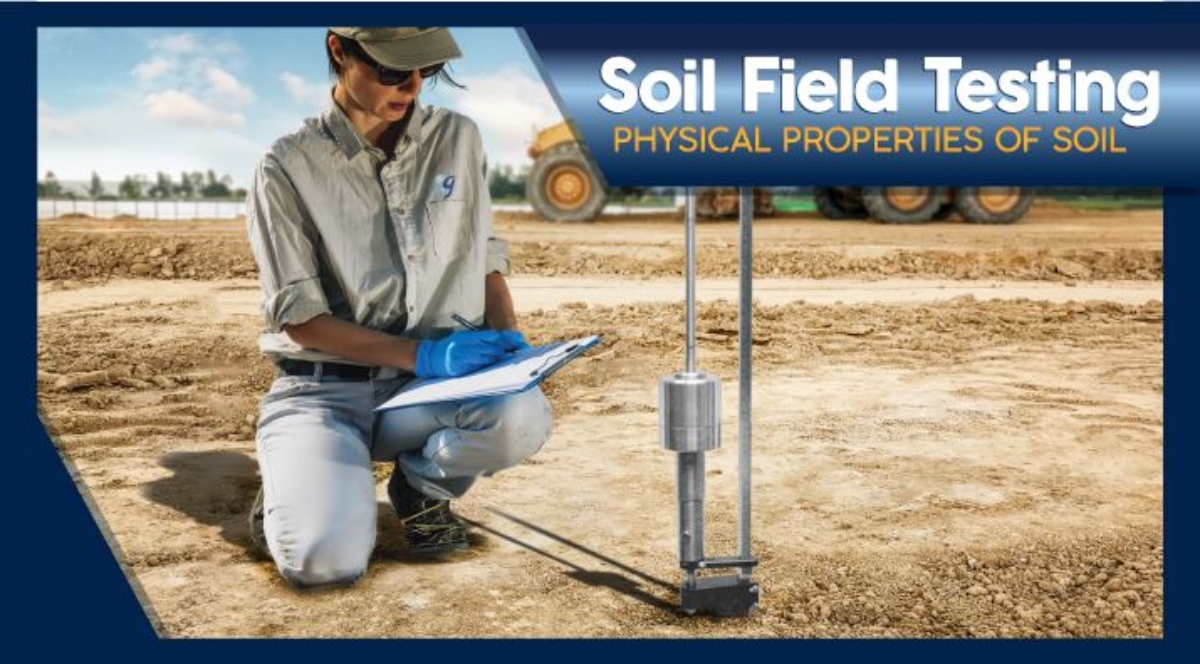
Continue Reading The Dynamic Cone Penetrometer (DCP): Applications and Equipment<div><a href="/blog/soil-field-test-article"><img loading="lazy" src="/Content/Images/uploaded/blog/2023/may/soil-field-testing-article.jpg" alt="Soil Field Testing: Physical Properties of Soil" style="display: block; margin-left: auto; margin-right: auto; width: 100%; max-width: 715px;" /> </a></div><p>Soil is a natural material and is sometimes employed as a construction material without modification. It is crucial to understand how it performs in its original (in-situ) environment. For this article, we will examine various field tests of soil and the equipment required to perform them.</p>
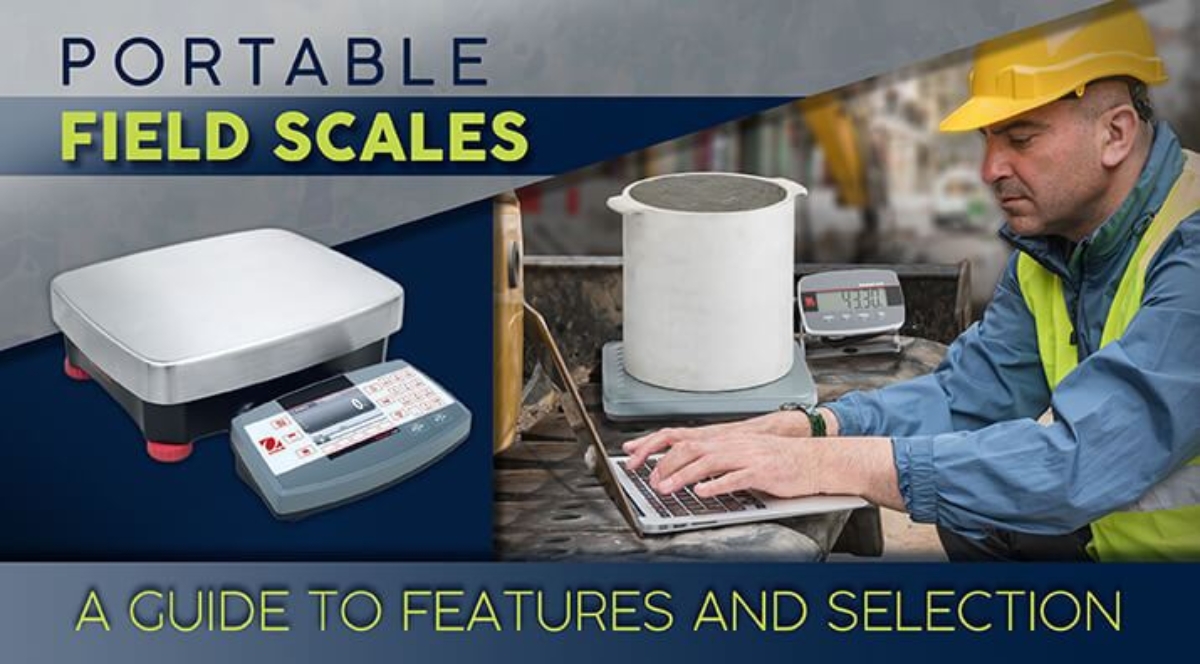
Continue Reading Soil Field Testing: Physical Properties of Soil<div><a href="/blog/how-to-select-field-scales-article"><img loading="lazy" src="/Content/Images/uploaded/blog/2023/april/field-scales-blog-article.jpg" alt="Field Scales Resource Guide" style="display: block; margin-left: auto; margin-right: auto; width: 100%; max-width: 715px;" /> </a></div><p>Some test methods must be performed on the spot to ensure that the best products are being produced or placed following specified procedures. Portable weighing devices are especially important to operate accurately and conveniently in remote locations. In this blog post, we’ll discuss what to look for when choosing one.</p>
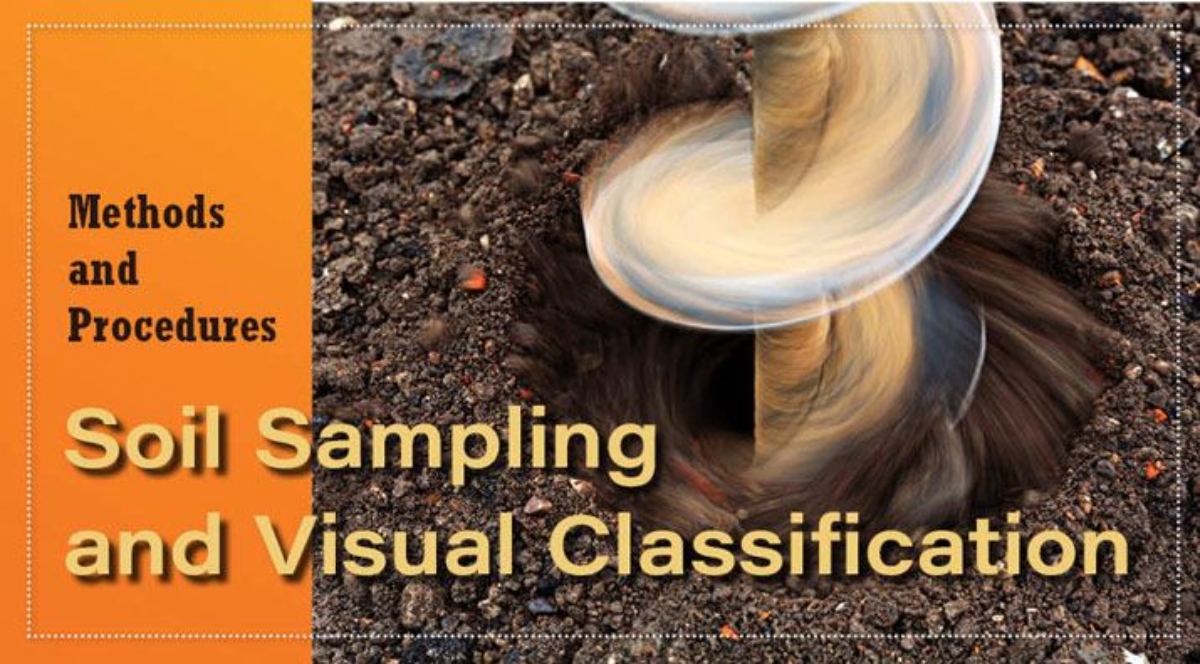
Continue Reading Portable Field Scales: A Guide to Features and Selection<div><a href="/blog/soil-sampling-and-visual-classification"><img loading="lazy" src="/Content/Images/uploaded/blog/2022/august/soil-sampling-classification.jpg" alt="Soil Sampling and Visual Soil Classification" style="display: block; margin-left: auto; margin-right: auto; width: 100%; max-width: 715px;" /> </a></div><p>Performing geotechnical and engineering tests on soils in the field is a combination of necessity and practicality. In this two-part series, this first post looks at methods, procedures, and equipment needed for field sampling and visual classification of soils.</p>
Continue Reading Soil Sampling & Visual Classification, Methods & Procedures<div><a href="/blog/soil-sample-prepping"><img loading="lazy" src="/Content/Images/uploaded/blog/2022/May/soil-sample-prep-hero.jpg" alt="Soil Sample Preparation" style="display: block; margin-left: auto; margin-right: auto; width: 100%; max-width: 715px;" /> </a></div><p>With a little thought and planning, you can avoid duplicating the equipment needed to perform many sample preparation tasks. Many ASTM and AASHTO soil tests performed follow similar techniques and use the same or similar equipment to set up samples for your soil testing.</p>
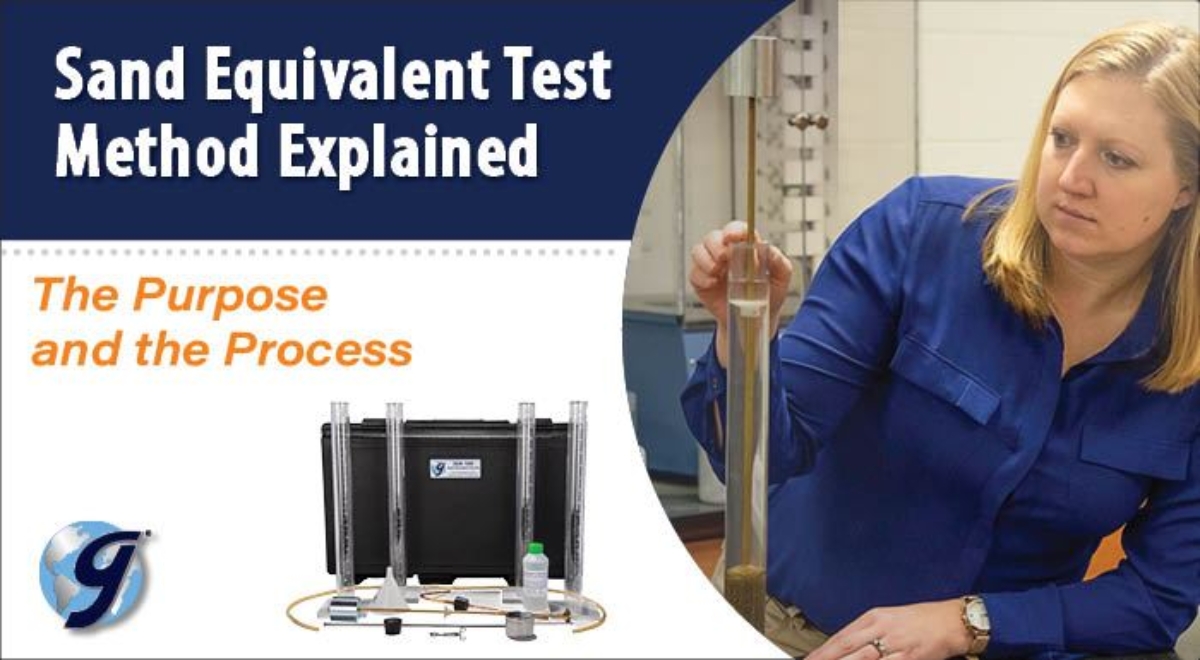
Continue Reading Soil Sample Preparation: Saving Money in Your Geotechnical Lab<div><a href="/blog/sand-equivalent-method"><img loading="lazy" src="/Content/Images/uploaded/blog/2021/March/sand-equivalent.jpg" alt="Sand Equivalent Method: Explained and The Procedure Article" style="display: block; margin-left: auto; margin-right: auto; width: 100%; max-width: 715px;" /> </a></div><p>Fines and dust in asphalt and concrete aggregates have always been a problem. Whether naturally occurring or resulting from degradation during handling and transport, undesirable or unknown amounts of fines can impact the performance and cost of composite materials. This blog post discusses the importance, process, and procedure.</p>
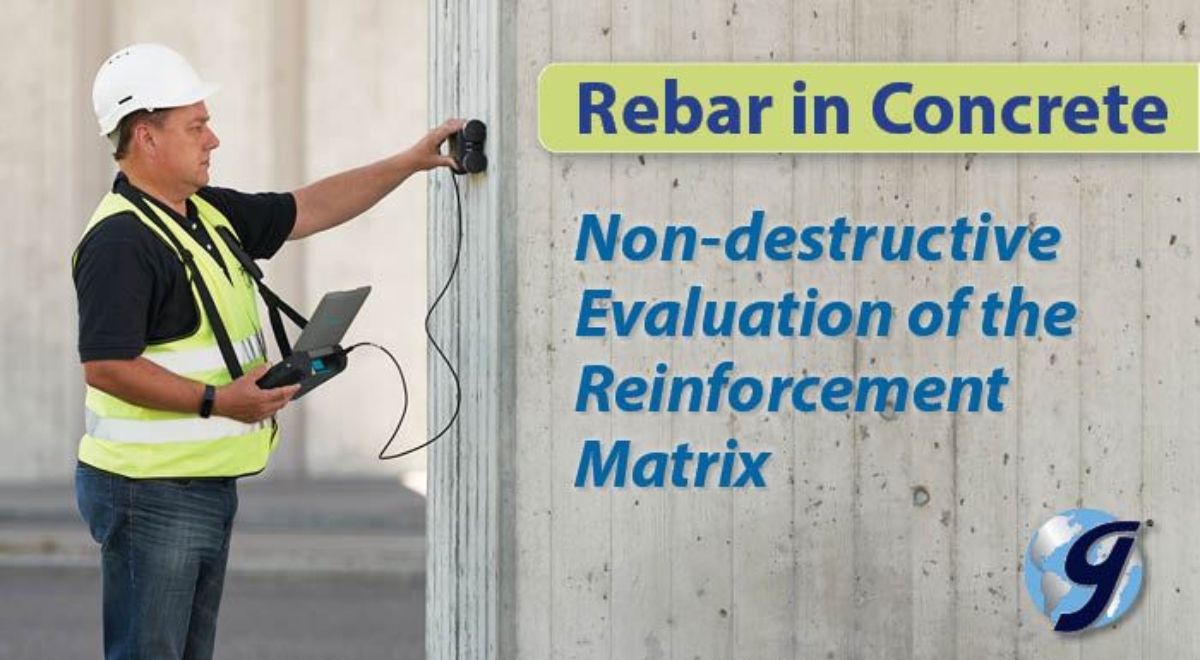
Continue Reading Sand Equivalent Test Method Explained: The Purpose and The Process<div><a href="/blog/finding-rebar-in-concrete"><img loading="lazy" src="/Content/Images/uploaded/blog/2021/February/detecting-rebar-in-concrete.jpg" alt="Rebar in Concrete: Nondestructive Characterization of Reinforcing Steel" style="display: block; margin-left: auto; margin-right: auto; width: 100%; max-width: 715px;" /> </a></div><p>Advances in technology continue to refine concrete cover meters and rebar locators, which have been around for decades and used to locate and identify concrete reinforcing steel accurately. They are integral to nondestructive evaluations of reinforced concrete structures and pavements to prevent damage to the reinforcing steel within the structure when drilling or cutting reinforced concrete. This blog post explores the features and capabilities of some of these popular instruments.</p>
Continue Reading Rebar in Concrete: Nondestructive Characterization of Reinforcing Steel<div><a href="/blog/cmt-field-lab-setup"><img loading="lazy" src="/Content/Images/uploaded/blog/2020/December/equipping-a-cmt-field-lab-blog.jpg" alt="Setting Up A CMT Field Lab: Application-Specific Equipment & Considerations Article" style="display: block; margin-left: auto; margin-right: auto; width: 100%; max-width: 715px;" /> </a></div><p>In this month's blog, we examine the civil engineering laboratory equipment needed for typical operations performed where field laboratories for construction materials testing are required. With so many possible variations in specific project requirements, we break it down by application.</p>
Continue Reading Setting Up A CMT Field Lab: Application-Specific Equipment & Considerations