Have questions about your materials testing equipment? We have the answers to these questions and much more right here! Check back monthly for long-form blog posts, how-to guides, and more. We’ll address industry insights, the operation and maintenance of specific equipment, and our product line recommendations, all designed to better serve you.
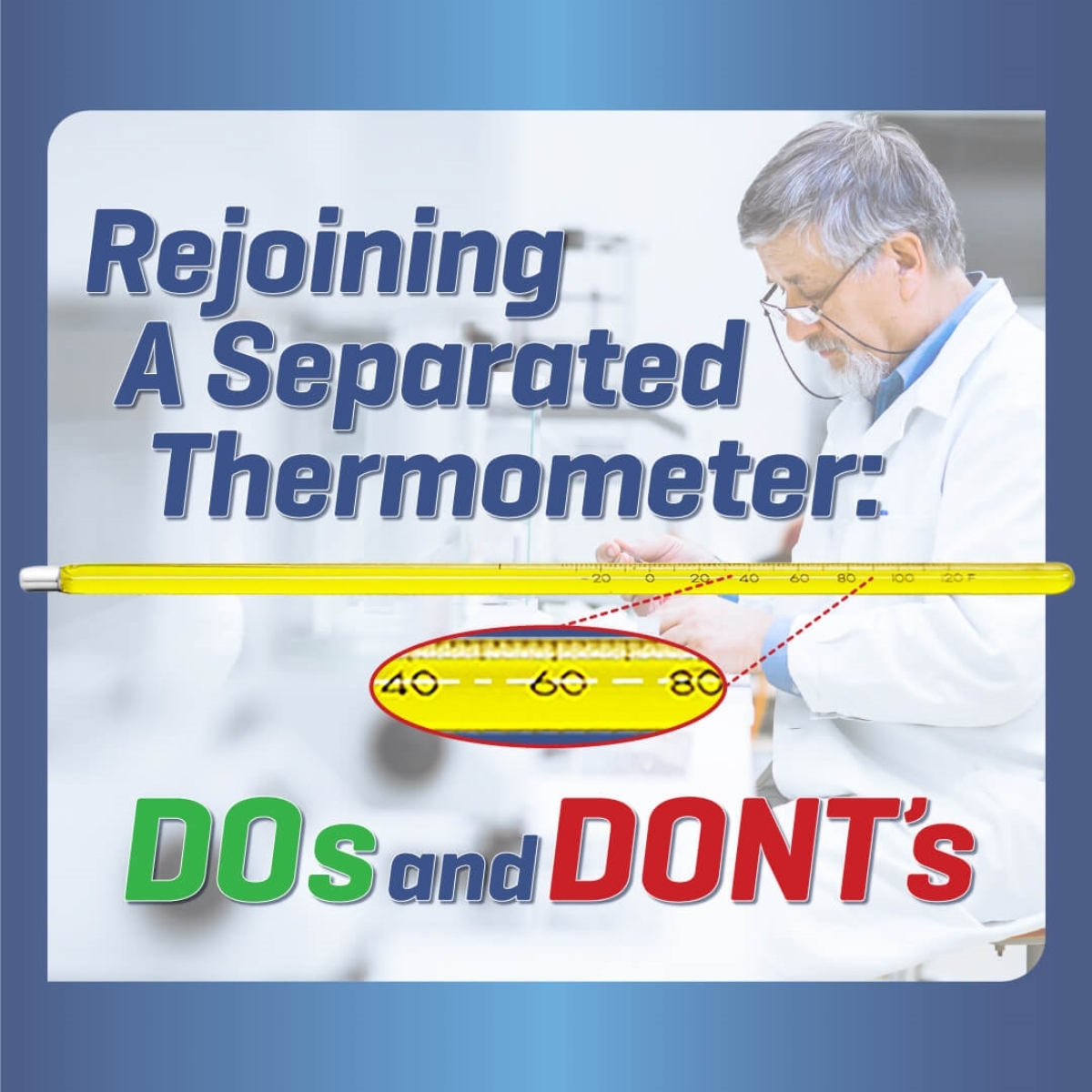
<p><a href="/blog/rejoining-separated-columns-in-thermometers-6-dos-and-donts"><img loading="lazy" decoding="async" src="/Content/Images/uploaded/blog/2018blogpictures/June2018/rejoining-separated-thermometer-hero.jpg" alt="thermometer column separation" style="display: block; margin-left: auto; margin-right: auto; width: 100%; max-width: 715px;" width="715" height="515" /></a></p><p>Mercury or indicating fluid separations can occur in the columns of mercury-in-glass thermometers, as well as in non-mercury thermometers. With expertise, caution and strict adherence to safety measures, the separated fluid can often be rejoined in the column by following some specific methods developed by others.</p>
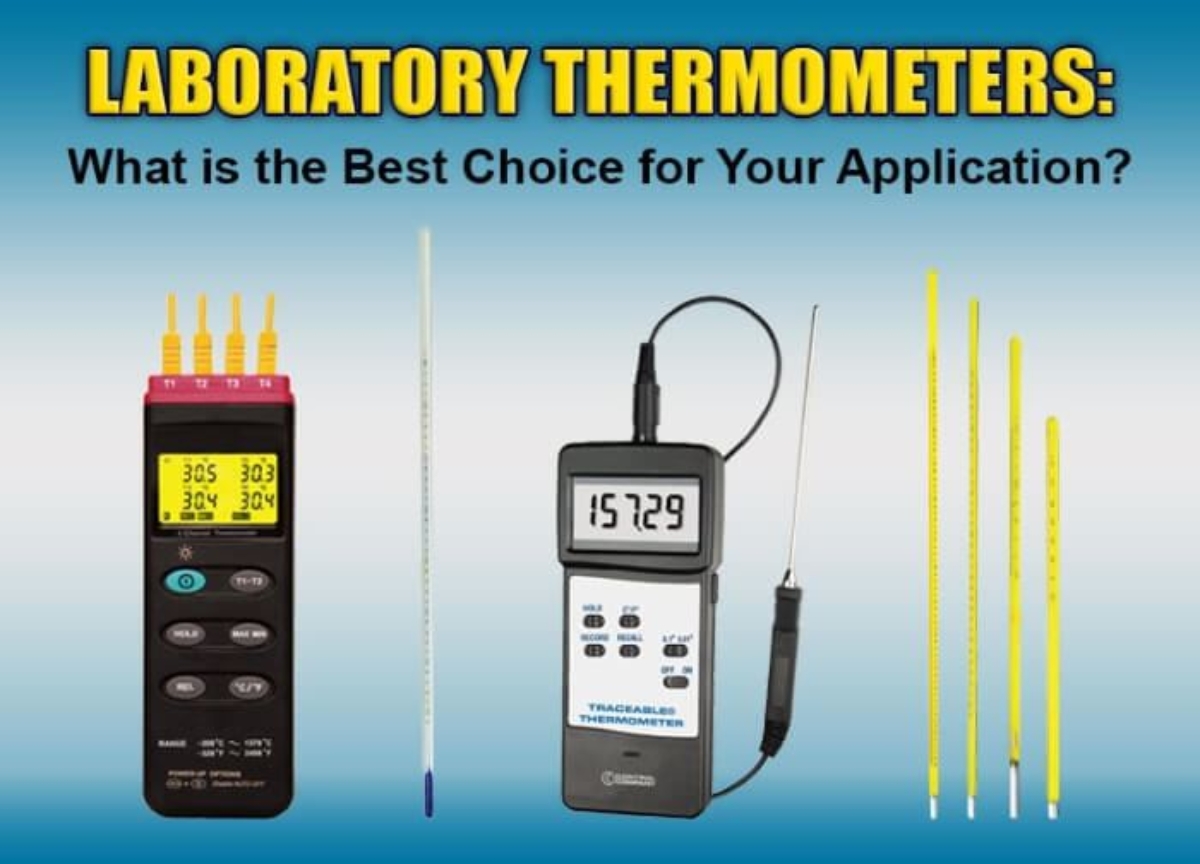
Continue Reading Rejoining A Separated Thermometer: 6 Dos and Don’ts<div><a href="/blog/laboratory-thermometers-what-is-the-best-choice-for-your-application"><img src="/Content/Images/uploaded/blog/choosing-lab-thermometers-hero.jpg" alt="Choosing the Right Lab Thermometer" style="display: block; margin-left: auto; margin-right: auto; width: 100%;" /></a></div><p><span>This blog post discusses the differences between Liquid in Glass (LiG) mercury, LiG non-mercury, and digital thermometers used in laboratory materials testing. It also explores the role each type of thermometer plays in maintaining compliance with industry standards and regulations governing the use of mercury.</span></p>
Continue Reading Choosing the Correct Laboratory Thermometer for your Application