Have questions about your materials testing equipment? We have the answers to these questions and much more right here! Check back monthly for long-form blog posts, how-to guides, and more. We’ll address industry insights, the operation and maintenance of specific equipment, and our product line recommendations, all designed to better serve you.
<div><a href="/blog/nondestructive-evaluation-nde-concrete-quality"><img src="/Content/Images/uploaded/blog/2024/june/nde-methods.jpg" alt="Reinforcing Steel and Concrete Quality for Nondestructive Evaluation (NDE) Guide" width="100%" /></a></div><p>While Part 1 of this blog series discussed nondestructive concrete testing methods and equipment, Part 2 will cover equipment used to detect location, orientation, and corrosion of reinforcing steel, the effects of moisture, and how to document concrete quality.</p>
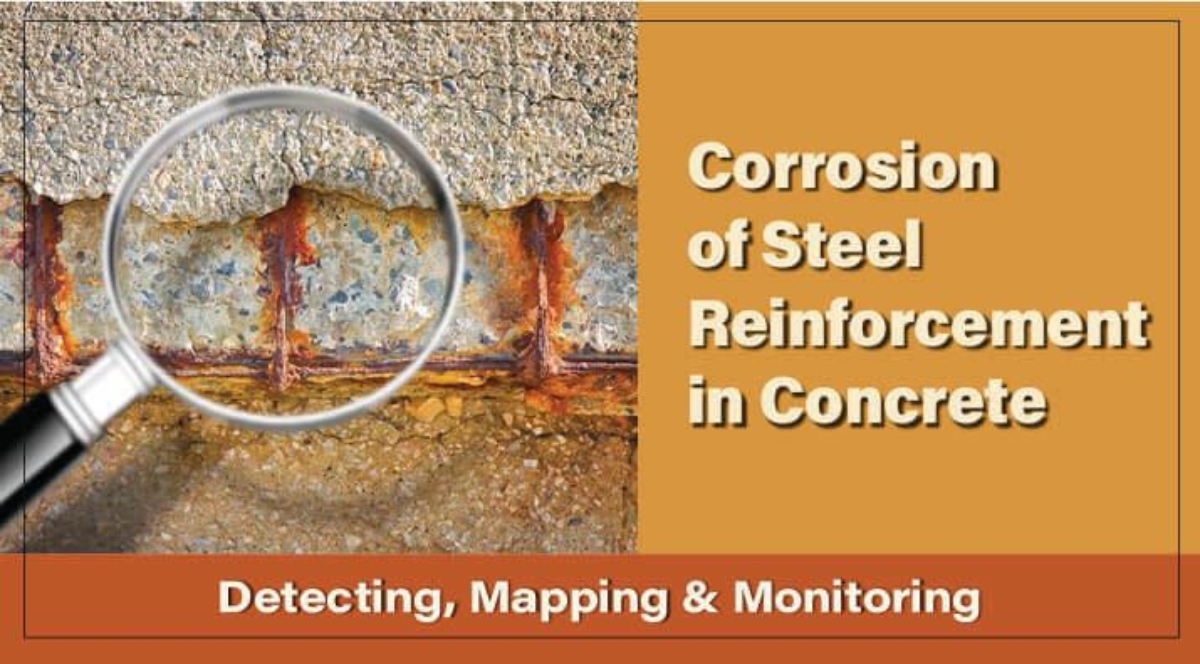
Continue Reading Reinforcing Steel and Concrete Quality for Nondestructive Evaluation The Comprehensive Assessment of Hardened Concrete Series: Part 2 of 2<div><a href="/blog/corrosion-of-concrete"><img loading="lazy" src="/Content/Images/uploaded/blog/2023/february/concrete-corossion-hero.jpg" alt="Corrosion of Steel Reinforcement in Concrete" style="display: block; margin-left: auto; margin-right: auto; width: 100%; max-width: 715px;" /> </a></div><p>The corrosion of reinforcing steel is a significant and preventable problem that shortens the useful lifespan of concrete structures. The mechanisms for its development and how it eventually damages the concrete structures it was designed to protect have been well-known for over 100 years. Similar to progressive disease, early detection and monitoring are the most effective strategies to minimize problems. Fortunately, innovative nondestructive instruments are making it easier and more efficient to find, follow, and repair corrosion before extensive damage occurs.</p>
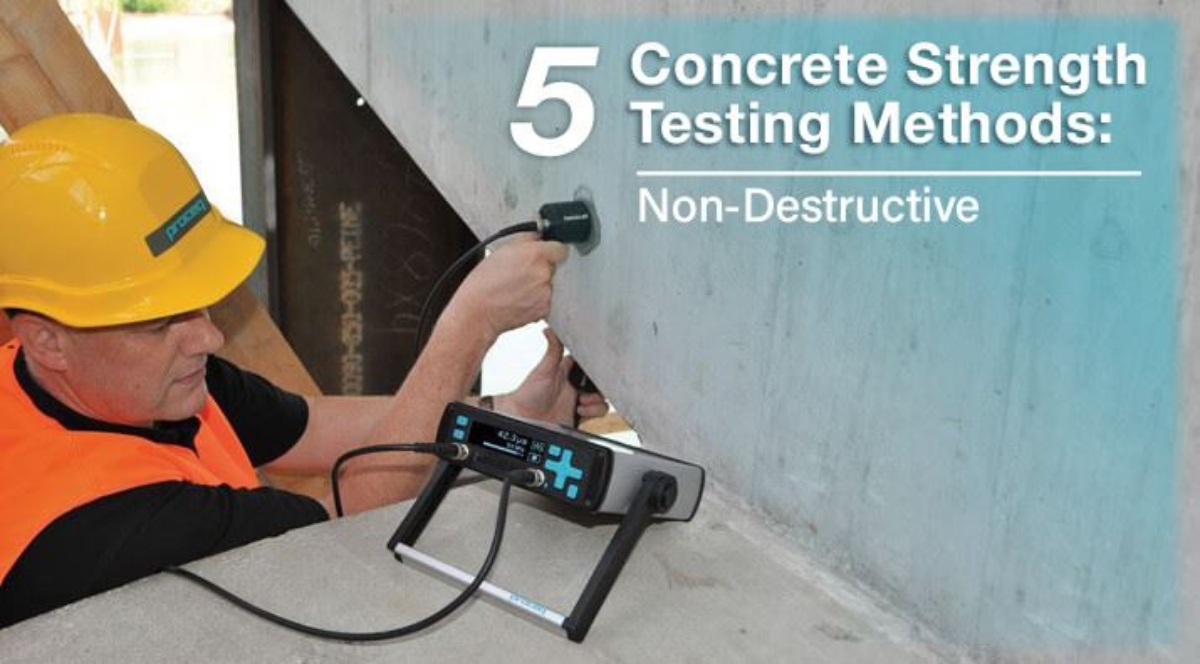
Continue Reading Corrosion of Steel Reinforcement in Concrete: Detecting, Mapping, and Monitoring<div><a href="/blog/ndt-test-for-concrete-strength"><img loading="lazy" src="/Content/Images/uploaded/blog/2023/january/ndt-test-methods-hero.jpg" alt="Non-Destructive Testing Methods" style="display: block; margin-left: auto; margin-right: auto; width: 100%; max-width: 715px;" /> </a></div><p>Testing the properties of hardened concrete is central to evaluating a structure, whether it is decades old or still under construction. In-place testing of concrete is a significant part of assessing an existing structure's safety and physical condition for routine maintenance before modifications. This blog post will discuss in-place and nondestructive methods and equipment to measure concrete strength.</p>
Continue Reading 5 Concrete Strength Testing Methods – Non-Destructive<div><a href="/blog/gpr-concrete"><img loading="lazy" src="/Content/Images/uploaded/blog/2022/september/gpr-for-concrete.jpg" alt="Ground Penetrating Radar for Concrete Evaluation: What's the latest?" style="display: block; margin-left: auto; margin-right: auto; width: 100%; max-width: 715px;" /> </a></div><p>Ground Penetrating Radar (GPR) is a powerful tool for the nondestructive testing and evaluation of reinforced concrete. Next-generation refinements featured on these versatile new models from Gilson simplify the location and mapping of reinforcing steel bars, tendons, and other embedments while assessing homogeneity, measuring thickness, and detecting cracks, voids, and other discontinuities. GPR units connect wirelessly to Apple iPad® tablets for potent computing power, live 3D and Augmented Reality (AR) rendering, high-resolution display, and fast, easy upgrades. Encrypted Wi-Fi connection stores data in the cloud for instant sharing and collaboration.</p>
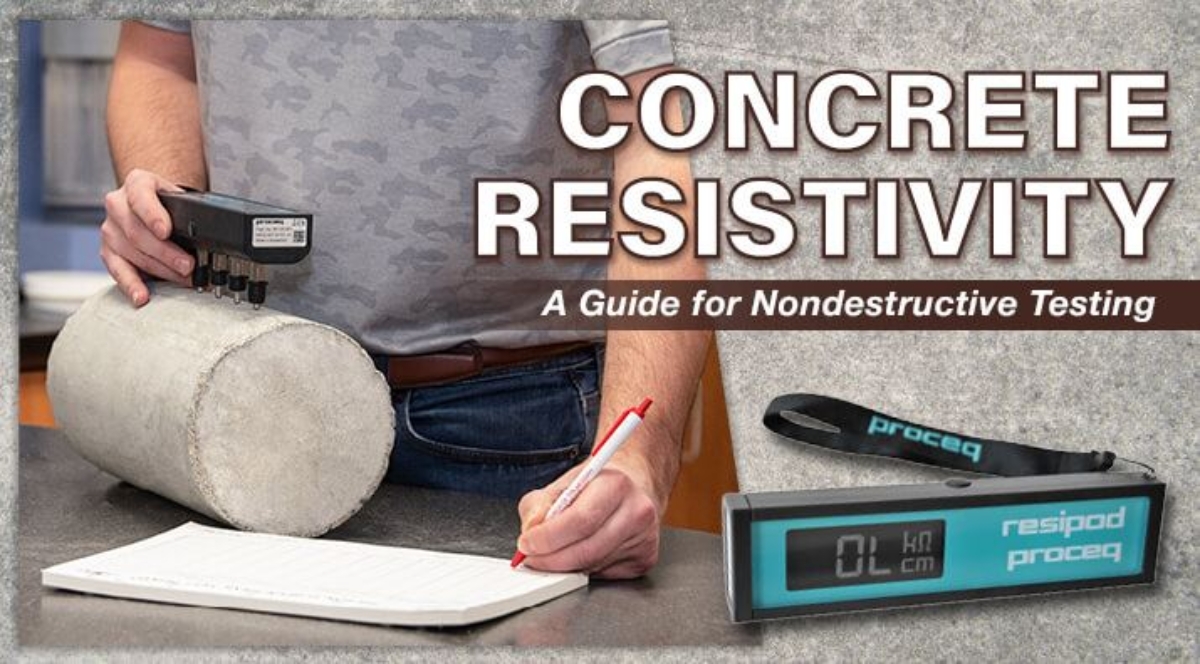
Continue Reading Ground Penetrating Radar for Concrete Evaluation: What's the latest?<div><a href="/blog/concrete-electrical-resistivity"><img loading="lazy" src="/Content/Images/uploaded/blog/2022/february/blog-hero-concrete-resistivity.jpg" alt="Concrete Resistivity" style="display: block; margin-left: auto; margin-right: auto; width: 100%; max-width: 715px;" /> </a></div><p>This blog post provides insight into test methods and testing equipment for use in concrete resistivity testing. We discuss the use of the Proceq Resipod Concrete Resistivity Meter for surface resistivity and how to perform bulk resistivity.</p>
Continue Reading Concrete Resistivity: A Guide for Nondestructive Testing<div><a href="/blog/concrete-slab-moisture-testing"><img loading="lazy" src="/Content/Images/uploaded/blog/2021/November/concrete-moisture-testing-hero.jpg" alt="Testing Concrete for Moisture" style="display: block; margin-left: auto; margin-right: auto; width: 100%; max-width: 715px;" /> </a></div><p>The amount, type, location, and movement of moisture in a concrete slab need to be clearly understood to avoid problems when placing a flooring system over it. In this blog, we take a look at the various methods and equipment to use for testing concrete for moisture.</p>
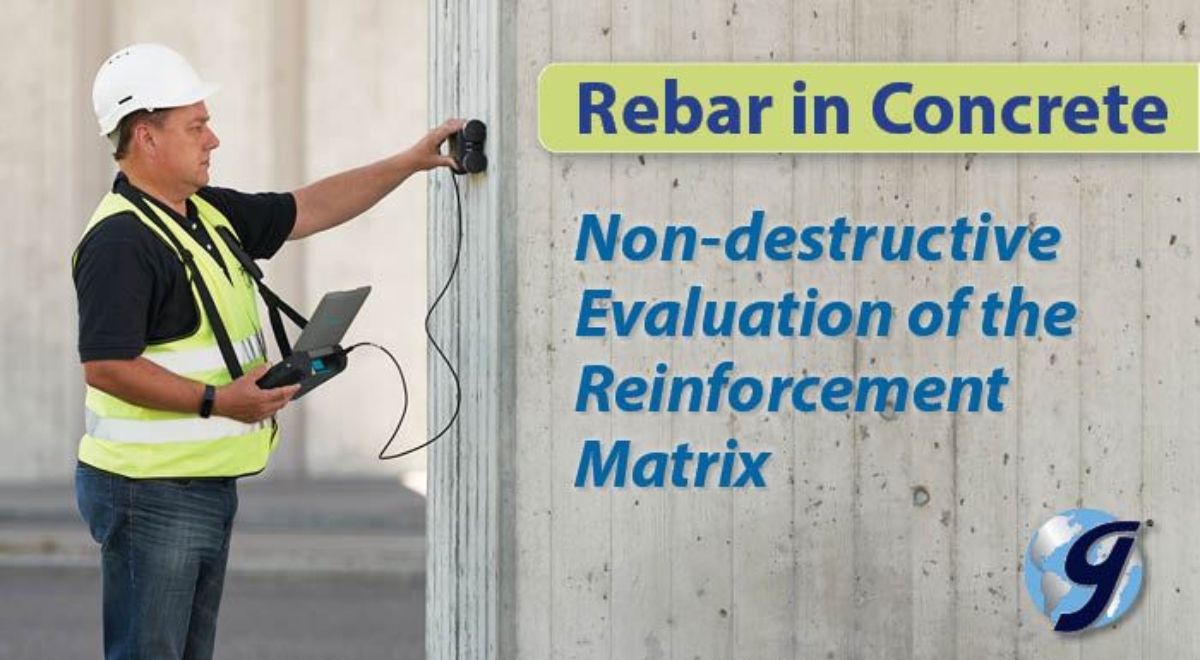
Continue Reading Concrete Moisture Testing: What Equipment Works for Your Application?<div><a href="/blog/finding-rebar-in-concrete"><img loading="lazy" src="/Content/Images/uploaded/blog/2021/February/detecting-rebar-in-concrete.jpg" alt="Rebar in Concrete: Nondestructive Characterization of Reinforcing Steel" style="display: block; margin-left: auto; margin-right: auto; width: 100%; max-width: 715px;" /> </a></div><p>Advances in technology continue to refine concrete cover meters and rebar locators, which have been around for decades and used to locate and identify concrete reinforcing steel accurately. They are integral to nondestructive evaluations of reinforced concrete structures and pavements to prevent damage to the reinforcing steel within the structure when drilling or cutting reinforced concrete. This blog post explores the features and capabilities of some of these popular instruments.</p>
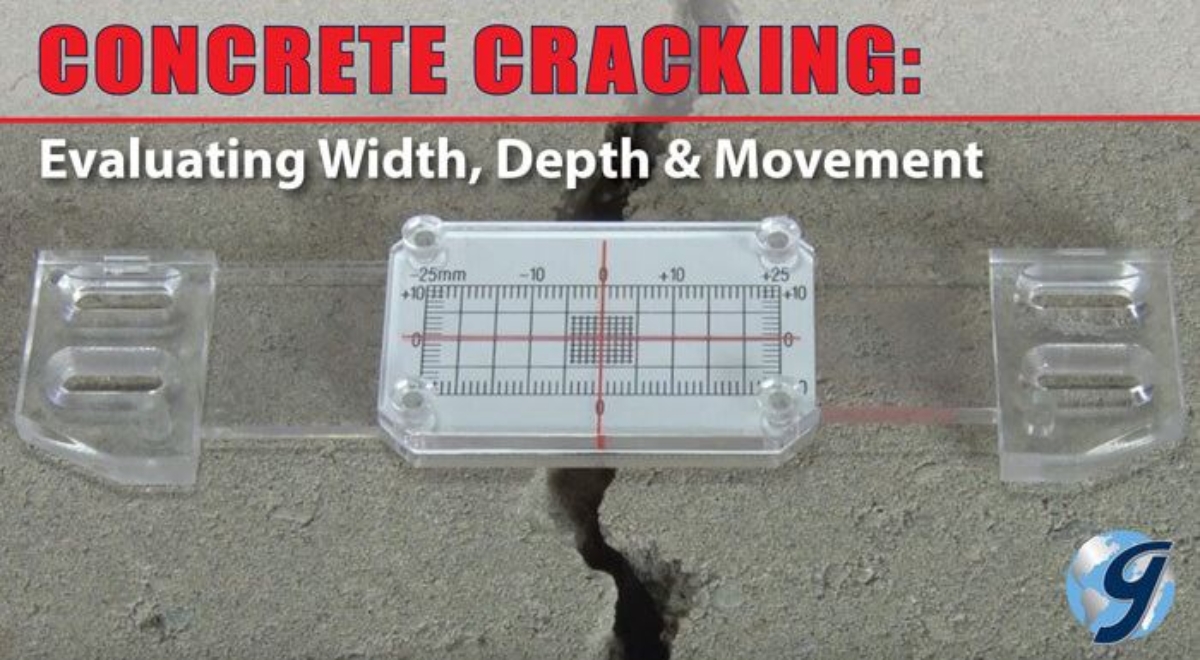
Continue Reading Rebar in Concrete: Nondestructive Characterization of Reinforcing Steel<div><a href="/blog/concrete-cracking"><img loading="lazy" src="/Content/Images/uploaded/blog/2020/September/concrete-cracking.jpg" alt="Concrete Cracking: Evaluating Width, Depth & Movement Article" style="display: block; margin-left: auto; margin-right: auto; width: 100%; max-width: 715px;" /> </a></div><p>Cracks in concrete are so common that they're practically inevitable. The good news is, not all of them are bad. The bad news is, sometimes it's hard to tell the difference. In this blog post, we will discuss how best to measure and monitor cracks and select the best equipment for the job.</p>
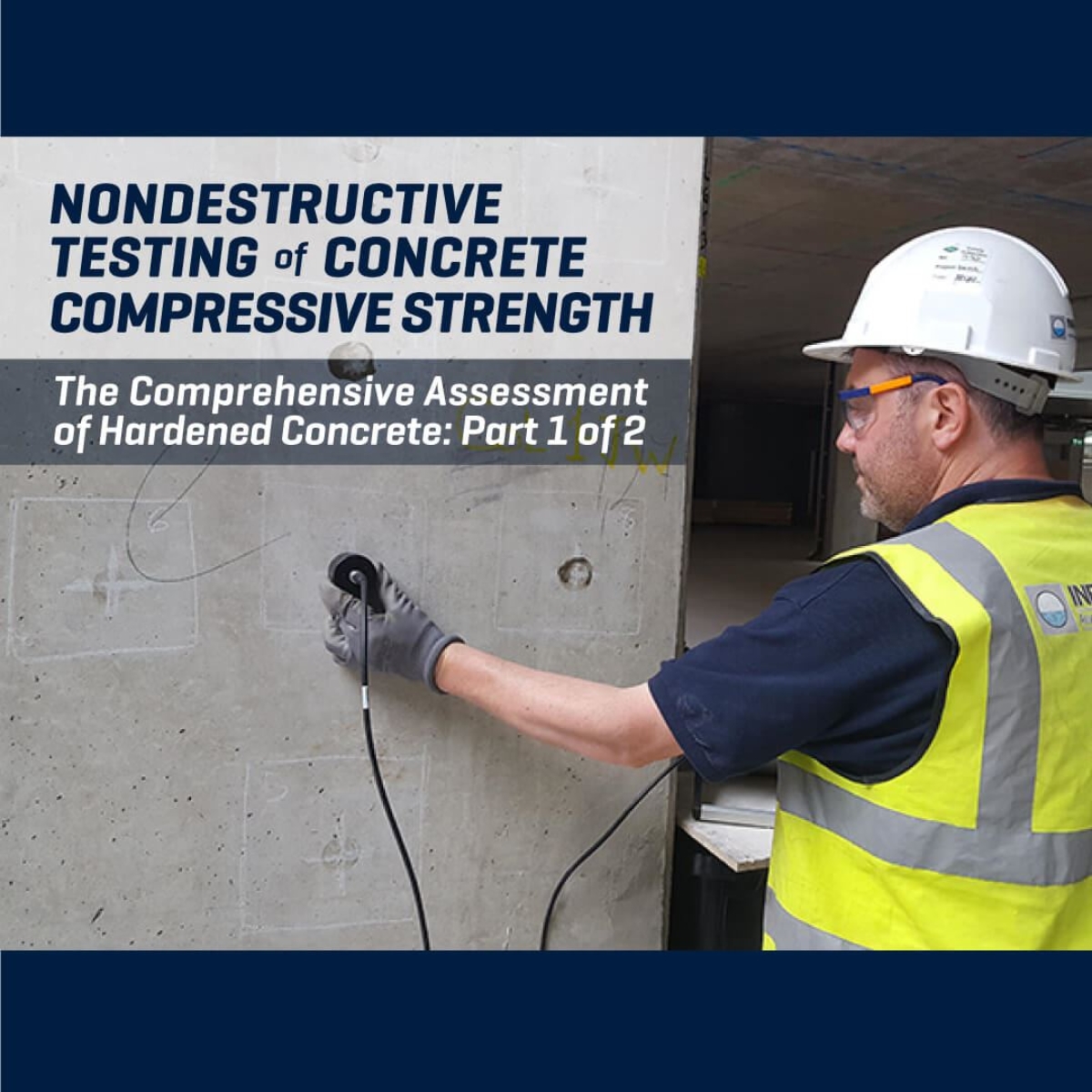
Continue Reading Concrete Crack Measurement Techniques and Equipment to Use<div><a href="/blog/non-destructive-testing-of-concrete-an-equipment-guide"><img src="/Content/Images/uploaded/blog/2016/June/ndt-blog.jpg" alt="Non-Destructive Testing of Concrete: An Equipment Guide" width="100%" /></a></div><p>Nondestructive concrete testing determines the quality and properties of hardened concrete to assess its condition and safety. Read this blog to learn about in-place and nondestructive methods and equipment used to measure concrete strength.</p>
Continue Reading Nondestructive Testing of Concrete Compressive Strength: The Comprehensive Assessment of Hardened Concrete Series: Part 1 of 2