Have questions about your materials testing equipment? We have the answers to these questions and much more right here! Check back monthly for long-form blog posts, how-to guides, and more. We’ll address industry insights, the operation and maintenance of specific equipment, and our product line recommendations, all designed to better serve you.
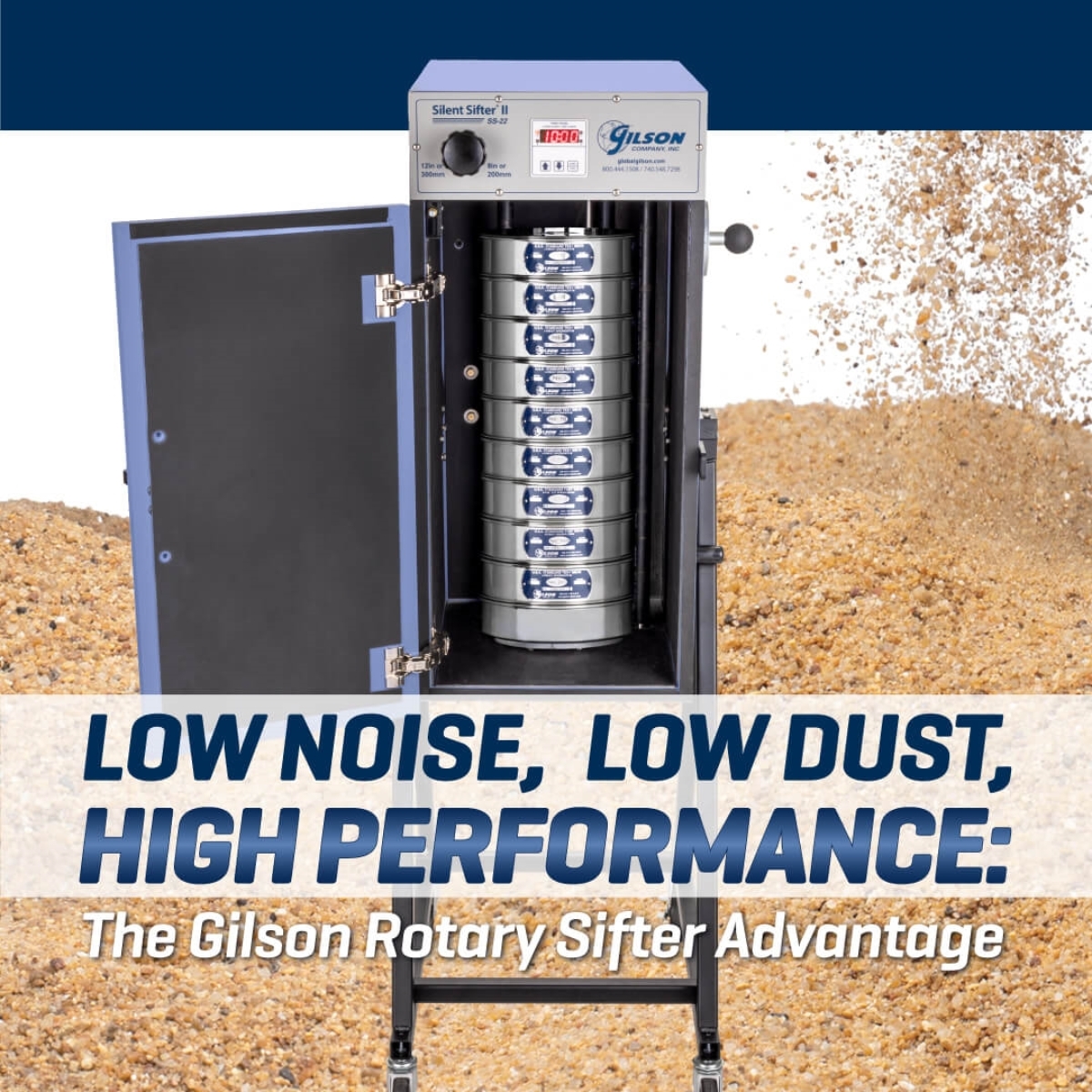
<p><a href="/blog/advantages-of-rotary-lab-sifters-article"><img loading="lazy" decoding="async" src="/Content/Images/uploaded/blog/2025/may/rotary-sifters-hero.jpg" alt="Low Noise, Low Dust, High Performance: The Gilson Rotary Sifter Advantage" style="display: block; margin-left: auto; margin-right: auto; width: 100%; max-width: 715px;" width="715" height="515" /></a></p><p>For decades, rotary sifters have served as a reliable and efficient unit for particle sizing operations. Learn about the different types of rotary sifters available and how Gilson's design philosophy helped shape more advanced units that suppress noise and dust.</p>
Continue Reading Low Noise, Low Dust, High Performance: The Gilson Rotary Sifter Advantage<div><a href="/blog/autosiever-mainenance-and-operation"><img loading="lazy" src="/Content/Images/uploaded/blog/2024/november/november-blog-hero.jpg" alt="AutoSiever <Maintenance Article" style="display: block; margin-left: auto; margin-right: auto; width: 100%; max-width: 715px;" /> </a></div><p>Gilson’s AutoSiever for particle sizing is the ideal solution for hard-to-separate fine powders. This blog post explores the cleaning, care, and storage of the GA-6 AutoSiever, acrylic test sieves, and latex components, along with some how-to tips for optimizing sonic sieving performance.</p>
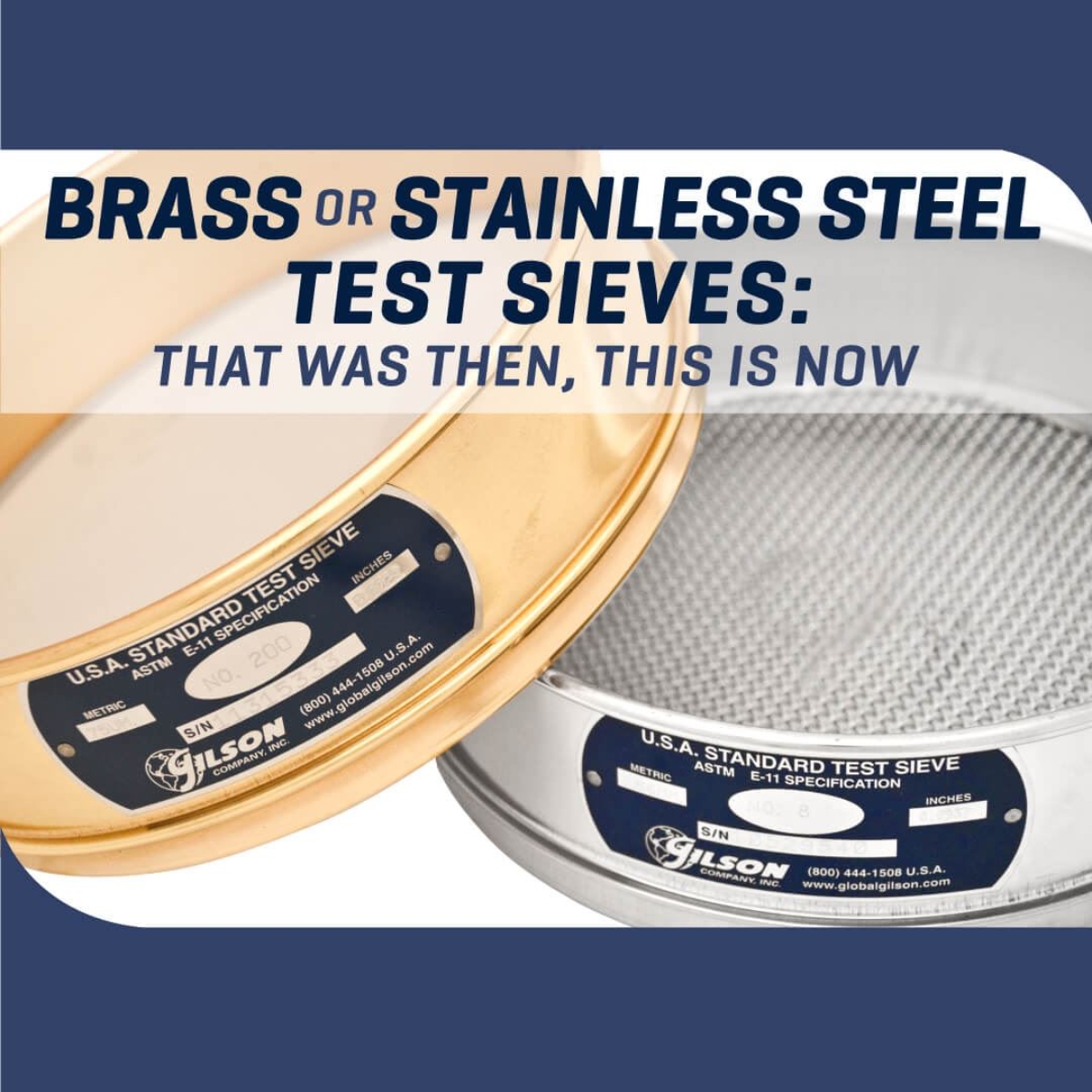
Continue Reading The GilSonic AutoSiever Maintenance & Operation<div><a href="/blog/brass-or-stainless-steel-sieves"><img loading="lazy" src="/Content/Images/uploaded/blog/2024/august/brass-or-stainless-sieves.jpg" alt="Brass or Stainless Steel Test Sieves" style="display: block; margin-left: auto; margin-right: auto; width: 100%; max-width: 715px;" /> </a></div><p>For this blog article, we will look at the use of brass for weaving the mesh of laboratory test sieves and how stainless steel has become a more efficient and cost-effective mesh material.</p>
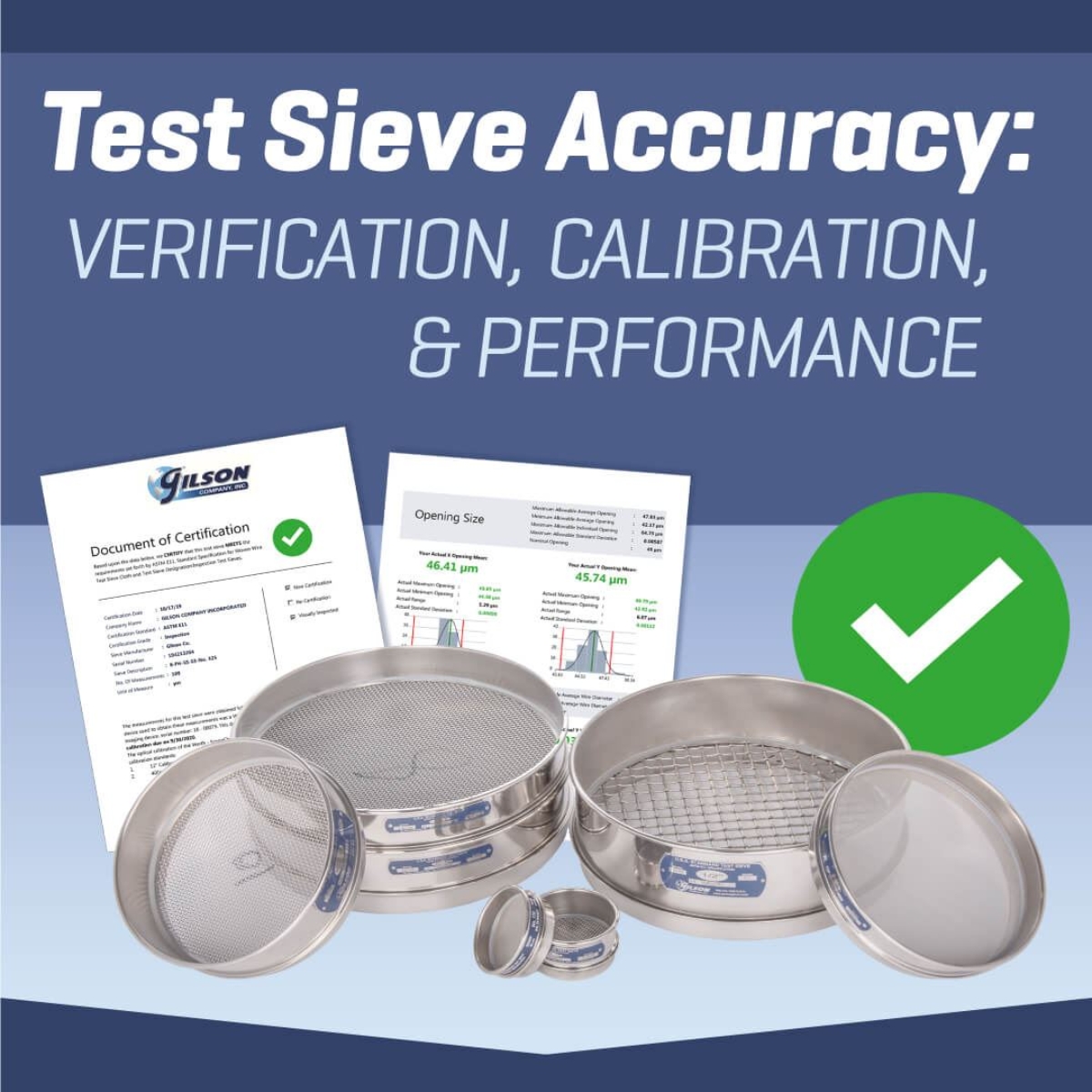
Continue Reading Brass or Stainless Steel Test Sieves: That Was Then, This Is Now<div><a href="/blog/test-sieve-accuracy"><img loading="lazy" src="/Content/Images/uploaded/blog/2024/feb/test-sieve-acccuracy.jpg" alt="Test Sieve Accuracy" style="display: block; margin-left: auto; margin-right: auto; width: 100%; max-width: 715px;" /> </a></div><p>Verification, calibration, and performance tests all contribute to the accuracy of test sieves. Understanding sieve accuracy will ensure you get the information you need out of your test sieves or screen trays.</p>
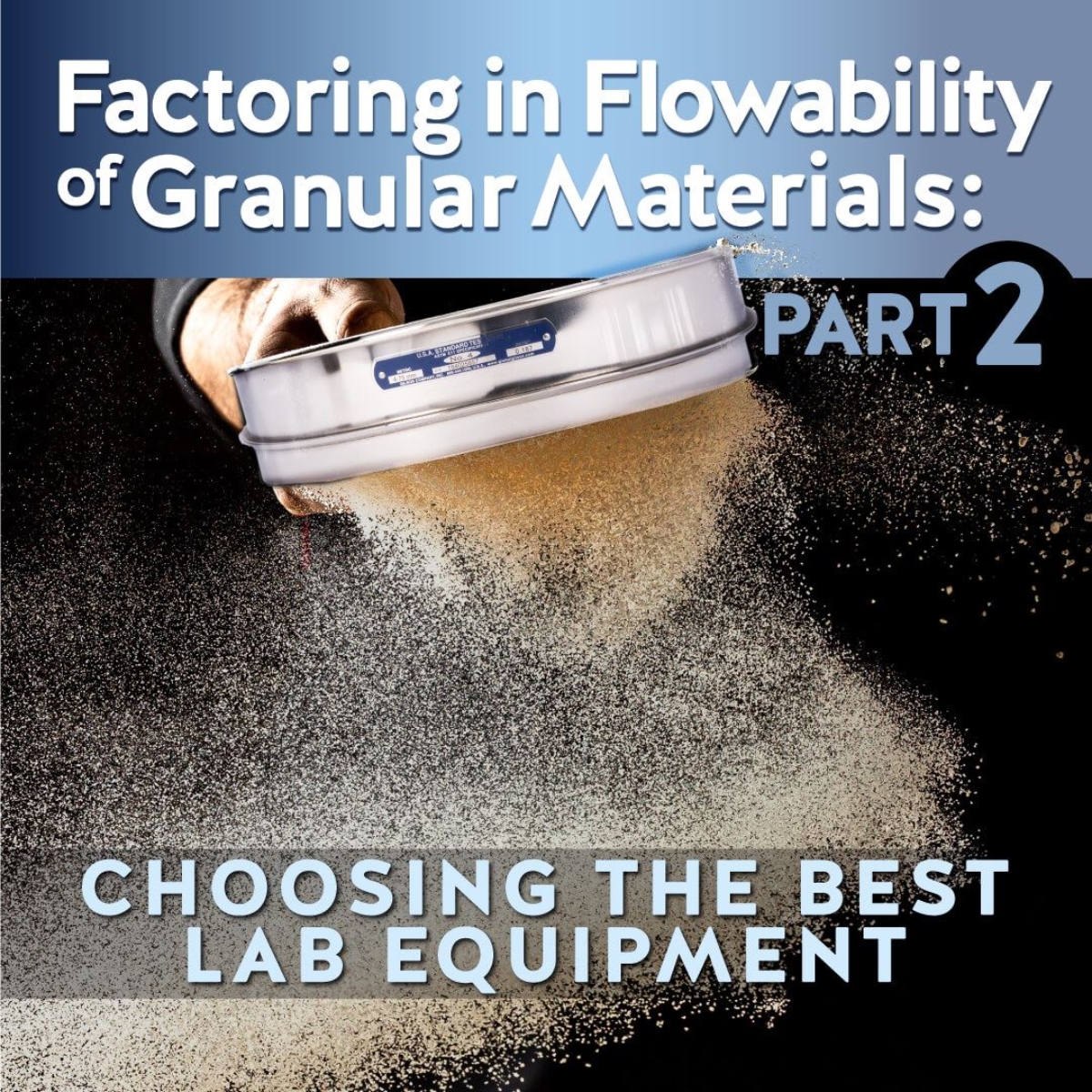
Continue Reading Test Sieve Accuracy: Verification, Calibration, & Performance<div><a href="/factoring-flowability-sieving-sizing"><img loading="lazy" src="/Content/Images/uploaded/blog/2023/december/part2-flowability-of-granular-materials.jpg" alt="Factoring Flowability of Granular Materials: Sieving and Sizing" style="display: block; margin-left: auto; margin-right: auto; width: 100%; max-width: 715px;" /> </a></div><p>Test methods for dry granular materials must be built around the flowability of the material. No sampling, sizing, or handling method can be performed accurately or efficiently if it does not work in harmony with the material's flow properties.</p>
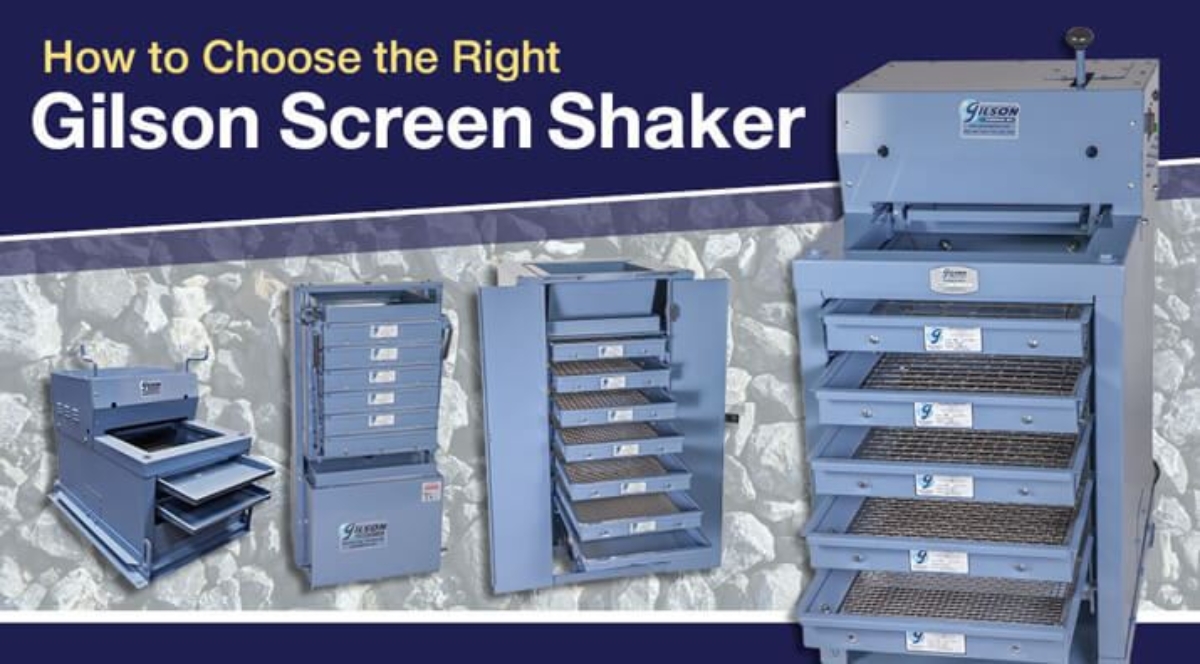
Continue Reading Factoring in Flowability of Granular Materials: Sieving and Sizing<div><a href="/blog/selecting-the-right-screen-shaker"><img loading="lazy" src="/Content/Images/uploaded/blog/2022/october/choosing-gilson-screen-shakers-hero.jpg" alt="Choosing the Right Screen Shaker" style="display: block; margin-left: auto; margin-right: auto; width: 100%; max-width: 715px;" /> </a></div><p>Particle size gradation is the most often-performed test on aggregates, and effective characterization can’t move forward without it. Testing screens offer an efficient and cost-effective method for accurate size determinations of coarse materials. This blog post will help you select the right Gilson Screen Shaker for your testing applications.</p>
Continue Reading Choosing the Right Gilson Screen Shaker<div><a href="/blog/sieve-sizes"><img loading="lazy" src="/Content/Images/uploaded/blog/sieving/sieve-sizes/sieve-sizes-hero.jpg" alt="ISO and ASTM Sieve Sizes Guide" style="display: block; margin-left: auto; margin-right: auto; width: 100%; max-width: 715px;" /> </a></div><p>The two major standards governing test sieves and appropriate opening sizes are ASTM E11 and ISO 565/3310-1, both of which specify parameters for aperture dimensions, mesh size and statistical variations. We take a dive into sieve sizes and give guidance on the basics, popular test application opening sizes, maintenance, and an opening size conversion table.</p>
Continue Reading Sieve Sizes: A Guide to U.S. and Metric Sizes<div><a href="/blog/types-of-sieves"><img loading="lazy" src="/Content/Images/uploaded/blog/2021/July/what-is-a-sieve-blog.jpg" alt="What is a Sieve? Make Sure You Choose the Right One" style="display: block; margin-left: auto; margin-right: auto; width: 100%; max-width: 715px;" /> </a></div><p>Quick, name the most widely used and cost-effective scientific instrument in your laboratory. Some possibilities come to mind, but our argument is for the ordinary test sieve. In this month’s blog post we discuss the purpose of sieves and how to select the right sieve to fit your particle sizing needs.</p>
Continue Reading What is a Sieve? Make Sure You Choose the Right One