Have questions about your materials testing equipment? We have the answers to these questions and much more right here! Check back monthly for long-form blog posts, how-to guides, and more. We’ll address industry insights, the operation and maintenance of specific equipment, and our product line recommendations, all designed to better serve you.
<img loading="eager" style="display: block; margin-left: auto; margin-right: auto; width: 100%; max-width: 715px; height: 100%; max-height: 515px;" alt="Optimize Your Concrete Testing: How Representative Sampling and Efficient Workflow Yields Better Concrete " src="/Content/Images/uploaded/blog/2026/Apr/April_2026_Blog_hero.jpg" width="715" height="515" /> A key element of successful concrete testing is selecting the right representative sample. This blog post covers standard practices for concrete sampling and how to optimize your concrete testing process.
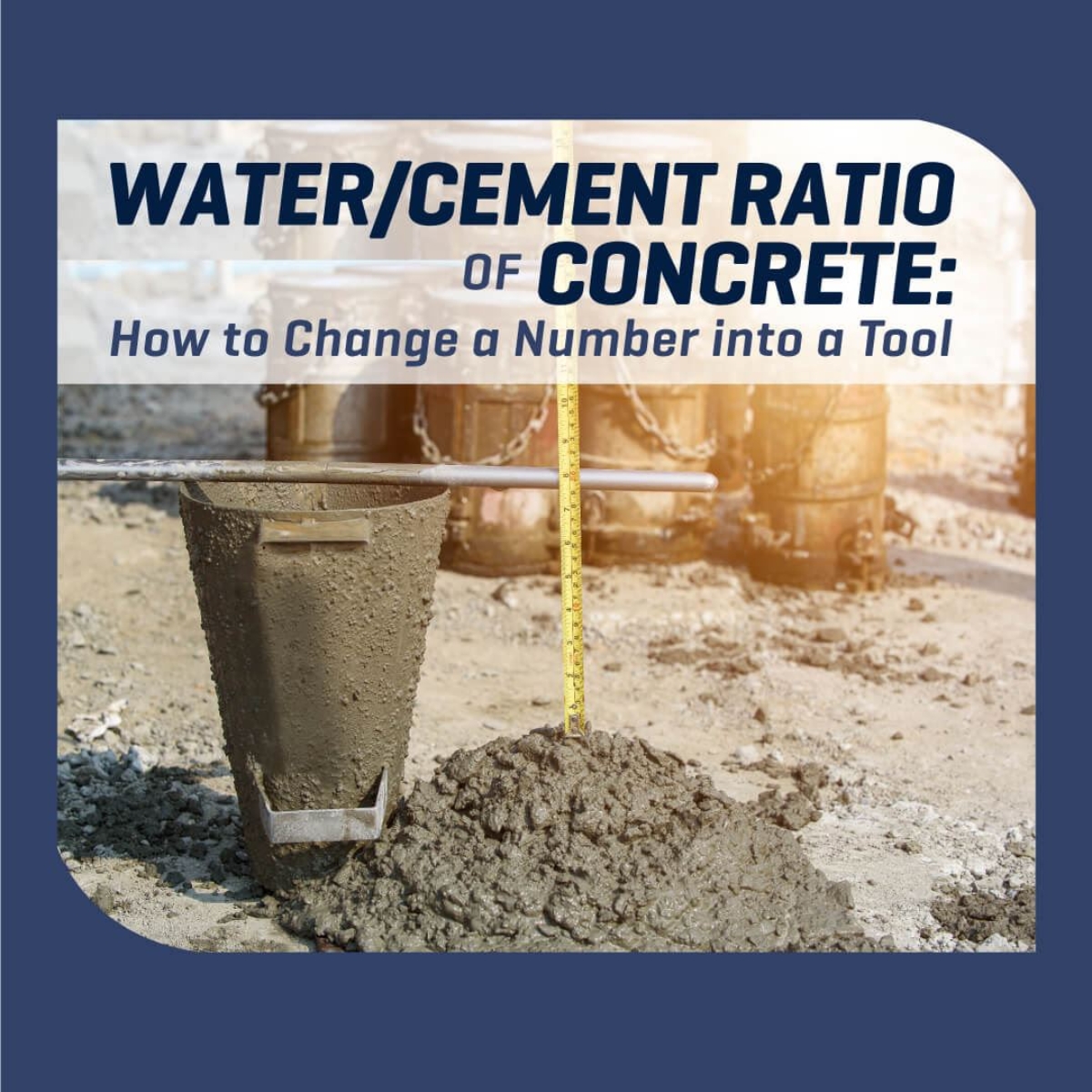
Continue Reading Optimize Your Concrete Testing: How Representative Sampling and Efficient Workflow Yields Better Concrete<div><a href="/blog/water-cement-ratio-of-concrete-article"><img loading="lazy" src="/Content/Images/uploaded/blog/2025/january/water-cement-ratio-hero.jpg" alt="Water/Cement Ratio Article" style="display: block; margin-left: auto; margin-right: auto; width: 100%; max-width: 715px;" /> </a></div><p>More than a century ago, Duff Abrams established a simple ratio to define the strength, quality, and workability of concrete mixtures. The water to cementitious material (w/cm) ratio is universally used in mixture design and batching, but accurate determinations for on-site acceptance of fresh concrete have remained elusive until now. The Phoenix method provides accurate and repeatable w/cm measurements in the lab or field in minutes.</p>
Continue Reading Water/Cement Ratio of Concrete: How to Change a Number into a Tool